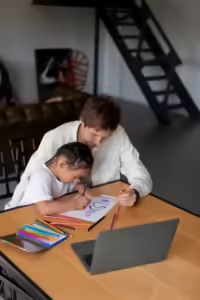

Promoting inclusion and acceptance of children with special needs through counselling is essential in creating a supportive, understanding, and respectful environment for every child. Counselling helps children recognise and appreciate their unique strengths, abilities, and differences while developing self-confidence and a positive self-image. Through individual and group counselling sessions, children can express their feelings, overcome emotional challenges, and learn effective ways to cope with difficulties. This approach encourages children with special needs to feel valued, respected, and accepted as important members of their families, schools, and communities.
Counselling also plays a vital role in helping other children understand and accept their peers with special needs. Through age-appropriate discussions, activities, and group sessions, counsellors can promote empathy, kindness, respect, and cooperation. These activities help reduce stereotypes, misconceptions, bullying, and discrimination while encouraging positive friendships and meaningful social interactions. By teaching children to appreciate individual differences and celebrate diversity, counselling fosters a culture of acceptance in which every child has equal opportunities to participate, learn, and grow together.
Furthermore, counselling can support parents, teachers, and caregivers in understanding the needs and challenges of children with special needs. Counsellors can provide guidance on effective communication, positive behaviour support, emotional care, and inclusive teaching practices. Collaboration among families, schools, and communities helps ensure that children receive consistent support and feel safe and included in their daily environments. Ultimately, promoting inclusion and acceptance through counselling helps build a more compassionate and equitable society where every child, regardless of ability, is recognised for their potential and given the opportunity to thrive.