The Psychological Impact of Separation and the Journey Towards Emotional Recovery
From a Counsellor’s Perspective
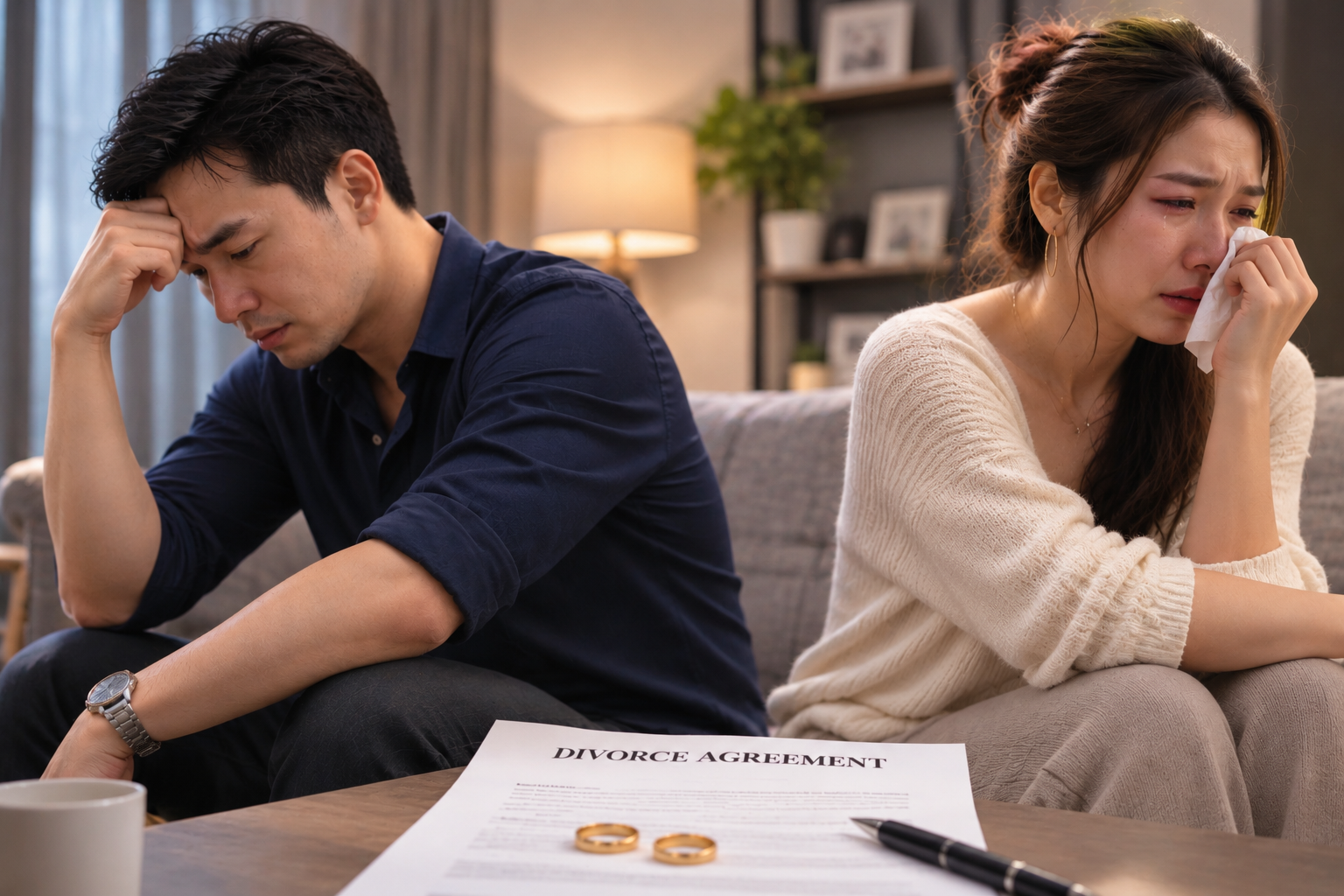
Divorce is more than the legal ending of a marriage. For many individuals, it represents the loss of a relationship, the collapse of shared dreams, the disruption of family life and the beginning of an uncertain future.
While some people may experience relief after leaving an unhappy marriage, others struggle with overwhelming sadness, loneliness, anxiety, guilt and emotional exhaustion.
Behind the decision to divorce, there may be years of unresolved conflict, emotional neglect, betrayal, disappointment or unsuccessful attempts to save the relationship.
From a counselling perspective, divorce is an important life transition that can significantly affect a person’s psychological and emotional well-being. Although not everyone who experiences divorce develops depression, the emotional challenges associated with separation can make some individuals particularly vulnerable.
Understanding this vulnerability is essential because emotional suffering is not always visible to the people around us.
1. The Emotional Loss Behind Divorce
One of the most difficult aspects of divorce is accepting that a relationship once believed to last a lifetime has come to an end.
People do not simply lose a husband or wife. They may also lose their daily routines, family traditions, shared responsibilities, financial stability and the future they had imagined together.
For some, the deepest pain is not necessarily missing their former partner. It is grieving the life they thought they would have.
They may remember the promises made during the early stages of marriage, the happy memories they shared and the dreams that never became reality.
This emotional experience can resemble grief.
An individual may experience denial, anger, sadness, guilt and eventually acceptance. However, these experiences do not necessarily follow a fixed sequence. Some days may feel manageable, while others bring back painful memories and emotions.
From a counselling perspective, it is important to recognise that grieving the end of a marriage is a legitimate emotional experience. Individuals should not be pressured to recover according to someone else’s timeline.
2. Why Does Divorce Increase Emotional Vulnerability?
Divorce can affect several important areas of a person’s life simultaneously.
Loss of emotional companionship
A person who once had someone to share everyday experiences with may suddenly find themselves facing life alone. The absence of familiar emotional support can create feelings of emptiness and isolation.
Loss of identity
Some individuals have spent many years identifying themselves as a husband, wife or parent within a particular family structure. Following divorce, they may struggle to understand who they are outside the marriage.
Financial uncertainty
Separation may bring changes in income, housing, responsibilities and financial security. These practical pressures can contribute to emotional stress.
Social isolation
Friendships and family relationships may change after divorce. Some individuals feel judged, misunderstood or uncomfortable discussing their separation with others.
Uncertainty about the future
Questions about starting over, finding another partner, raising children independently and rebuilding life can create significant anxiety.
When several of these challenges occur together, an individual’s ability to cope emotionally may become overwhelmed.
3. When Sadness Develops Into Depression
It is important to distinguish between the emotional sadness associated with divorce and clinical depression.
Feeling sad, crying, experiencing loneliness and struggling with changes in daily life can be normal responses to a major relationship loss.
However, when emotional distress becomes persistent, severe and begins interfering with everyday functioning, further attention may be necessary.
Possible warning signs of depression include:
- Persistent sadness, emptiness or hopelessness.
- Losing interest in activities that were previously enjoyable.
- Difficulty sleeping or sleeping excessively.
- Changes in appetite or weight.
- Constant feelings of guilt, worthlessness or inadequacy.
- Difficulty concentrating or making decisions.
- Withdrawing from friends and family.
- Persistent fatigue or loss of motivation.
- Recurrent thoughts about death or suicide.
A person experiencing these symptoms should not simply be told to move on or think positively.
Depression is a mental health condition that deserves proper assessment and support. A qualified mental health professional can help determine whether the individual is experiencing depression or another form of emotional difficulty.
4. The Psychological Impact of Being Blamed for the Divorce
One particularly painful experience during separation is being repeatedly blamed for the breakdown of the marriage.
Some individuals enter divorce believing that they have failed as a spouse, failed their children or failed their family.
When accusations, criticism and emotional manipulation continue during separation, these feelings may become even more intense.
For example, someone may repeatedly hear:
“You destroyed this family.”
“You are the reason our marriage failed.”
“You will never find someone who loves you like I did.”
“You should be ashamed of yourself.”
When such statements are repeated, the person receiving them may gradually internalise the criticism.
They may begin questioning their worth, their decisions and their ability to maintain a healthy relationship.
From a counselling perspective, it is important to help individuals distinguish between genuine personal accountability and excessive self-blame.
Every individual should have the opportunity to reflect on their own mistakes. However, taking responsibility for personal behaviour does not mean accepting responsibility for everything that happened in the marriage.
A failed marriage does not automatically mean that someone is a failed human being.
5. The Hidden Depression of People Who Appear Strong
Not everyone experiencing emotional distress openly expresses their pain.
Some individuals continue going to work, fulfilling family responsibilities, attending social gatherings and maintaining a seemingly normal lifestyle.
From the outside, they may appear perfectly fine.
However, internally, they may be struggling with loneliness, emotional exhaustion and feelings of hopelessness.
Some individuals suppress their emotions because they do not want to burden their children, family members or friends.
Others feel embarrassed to admit that their marriage has ended or that they are struggling to cope.
This is why emotional well-being should never be judged solely by outward appearances.
A person can continue functioning in daily life while experiencing significant psychological distress.
Counsellors should create an environment where individuals feel safe enough to express emotions without fear of judgement.
Sometimes, being heard and understood is an important first step towards seeking further help.
6. Divorce, Children and Parental Emotional Well-being
Divorce can become even more emotionally complicated when children are involved.
Parents may experience guilt, worry and fear about how separation will affect their children’s development.
Some may struggle with the responsibility of raising children independently, while others may experience ongoing conflict with their former partners over parenting arrangements.
Children can also become caught between parental disagreements, creating additional emotional pressure for everyone involved.
From a counselling perspective, parents need to understand that protecting children’s emotional well-being requires more than maintaining financial and physical stability.
Children also need reassurance, emotional availability and freedom from being placed in the middle of adult conflicts.
Parents should avoid using children as messengers, emotional supporters or instruments of revenge against former partners.
Equally, parents experiencing depression should be encouraged to seek support rather than struggle silently.
Taking care of one’s mental health is not selfish. It is also an important part of maintaining the capacity to care for children.
7. Why Some Individuals Struggle to Move On
People often ask:
“Why can’t someone just move on after divorce?”
The reality is that emotional recovery is not simply a matter of making a decision to forget the past.
Some individuals struggle because they are still emotionally attached to their former partners.
Others are grieving the loss of family life, dealing with betrayal or trying to make sense of what happened.
There may also be unresolved questions:
- Why did my marriage end this way?
- Was I ever truly loved?
- Could I have done something differently?
- Why did my partner change?
- Will I ever be able to trust someone again?
The search for answers can become emotionally exhausting, particularly when the former partner is unwilling to communicate or provide closure.
From a counselling perspective, healing does not necessarily require obtaining every answer.
Sometimes, acceptance begins when an individual recognises that certain questions may remain unanswered.
The goal is not to erase the past but to prevent the past from controlling the future.
8. How Can Counselling Help Someone Experiencing Depression After Divorce?
Counselling provides an opportunity for individuals to explore their emotional experiences, understand their psychological difficulties and develop healthier ways of coping.
Some important areas of counselling include:
Emotional processing
Helping individuals acknowledge grief, anger, disappointment, guilt and loneliness rather than suppressing these emotions.
Cognitive restructuring
Helping individuals identify harmful thought patterns, including excessive self-blame, hopelessness and negative beliefs about their self-worth.
Rebuilding self-esteem
Supporting individuals in understanding that their identity and value are not determined by their marital status.
Developing healthy coping strategies
Encouraging healthier routines, meaningful activities, social connections and appropriate emotional outlets.
Re-establishing personal identity
Helping individuals rediscover their interests, personal values, ambitions and goals beyond marriage.
Professional mental health support
When symptoms suggest clinical depression, referral to a psychologist, psychiatrist or other qualified mental health professional may be appropriate. Depending on the individual’s needs, treatment may include psychotherapy, medication or a combination of approaches.
Recovery is not always a straight journey. Some individuals may need more time, structured support and professional treatment before they regain emotional stability.
If someone experiences thoughts of suicide or feels unable to keep themselves safe, immediate professional or emergency assistance is essential.
9. Rebuilding Life After Divorce: Learning to Find Yourself Again
One of the most meaningful aspects of emotional recovery is rediscovering a sense of personal identity.
After spending years building a life around another person, individuals may need time to understand their own needs and aspirations again.
They can begin with small but meaningful steps:
- Reconnect with trusted friends and family.
- Develop healthy daily routines.
- Return to activities and interests they once enjoyed.
- Establish boundaries with former partners.
- Avoid comparing their recovery with other people’s lives.
- Seek professional support when emotional difficulties become overwhelming.
- Set realistic personal goals for the future.
Most importantly, individuals should learn to treat themselves with compassion.
There is no requirement to immediately become happy, successful or emotionally strong after divorce.
Healing takes time, and progress does not have to be dramatic to be meaningful.
A Counsellor’s Reflection: Divorce May End a Marriage, But It Should Not End Your Sense of Worth
From a counselling perspective, one of the most important things to understand is that divorce can challenge a person’s emotional identity in ways that are not immediately visible.
Some people lose a partner. Others feel they have lost their family, their security, their dreams and even their sense of purpose.
For those experiencing depression after divorce, the emotional struggle may be much deeper than what friends and family can see.
They may smile in public while crying privately. They may appear independent while silently struggling with loneliness. They may tell everyone that they are fine because they do not know how to explain the pain they are carrying.
This is why compassion, understanding and professional support are so important.
We should never assume that someone who is divorced is automatically unhappy. Equally, we should never assume that someone who appears to have moved on has completely healed.
Divorce is not a measure of someone’s intelligence, attractiveness, ability to love or personal worth.
A marriage may fail despite genuine effort, commitment and sacrifice. Sometimes, relationships end because of incompatibility, unresolved difficulties, betrayal or unhealthy patterns that cannot be repaired.
What matters after separation is not how quickly someone finds another partner or how successfully they present themselves to the outside world.
What matters is whether they can gradually regain their emotional stability, rebuild their confidence and rediscover meaning in their lives.
A broken marriage does not have to become a broken identity.
Remember, you are more than the relationship that ended. You are more than the mistakes you made, the disappointments you experienced and the pain you endured.
Divorce may change the direction of your life, but it does not determine the value of your future.
Sometimes, the beginning of healing is simply allowing yourself to accept that you are hurting, recognising that you deserve support and having the courage to begin again.
You may have lost a marriage, but you have not lost your right to happiness, dignity and a meaningful life.
Take The First Step
The Healing Cove offers individual, private parent and family with ADHD children counselling in Singapore and online. If work stress has begun to take over your life, a 50- or 75-minute session can be a starting point to pause, reflect and find a more sustainable way forward.
If you feel at immediate risk of harming yourself or someone else, seek urgent help. In Singapore, call 995 for emergency medical assistance, contact national mindline 1771, or call Samaritans of Singapore at 1767.