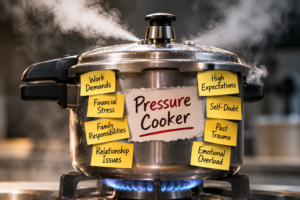

*A Counsellor’s Perspective on Why Depression Is More Than Simply Feeling Sad or Having a Bad Day.
Depression is one of the most misunderstood mental health conditions in society. Many people associate depression with sadness, crying, loneliness or a lack of motivation. However, depression is much more complex than simply feeling unhappy. From a counsellor’s perspective, depression is not a sign of weakness, a lack of gratitude or an inability to handle life’s challenges. It is a genuine mental health condition that can affect a person’s thoughts, emotions, behaviours, relationships and everyday functioning.
In counselling, we often meet individuals who silently struggle with depression while appearing perfectly normal on the outside. They may continue going to work, taking care of their families, socialising with friends and fulfilling their responsibilities. Yet, behind their smiles, they may be experiencing emotional exhaustion, emptiness, hopelessness and an overwhelming sense of loneliness. This reminds us that not everyone who is suffering will openly express their pain.
Myth 1: Depression Is Just Sadness
One common misconception is that depression is simply an extended period of sadness. People may say, “Everyone feels sad sometimes. Just think positively and move on.” However, depression is not the same as ordinary sadness. Sadness is a natural human emotion that often occurs in response to disappointment, loss or difficult experiences. Depression, on the other hand, can persist for weeks or longer and may affect a person’s ability to function in daily life.
The truth: Depression can involve persistent sadness, but it can also appear as emotional numbness, irritability, emptiness, loss of interest, fatigue and difficulty concentrating. Some individuals may not even understand why they feel the way they do. As counsellors, we must recognise that emotional suffering does not always look the way society expects it to look.
Myth 2: People With Depression Are Weak
Another harmful belief is that people experience depression because they are mentally weak or unable to cope with life’s difficulties. This misconception often creates shame and discourages individuals from seeking professional help. Some people may even blame themselves for not being strong enough to overcome their emotions.
The truth: Depression is not a reflection of someone’s character, strength or personal values. It can develop through a combination of biological, psychological and social factors, including genetics, prolonged stress, trauma, relationship difficulties, significant life changes and other challenging circumstances. A person can be successful, responsible, intelligent and emotionally resilient while still experiencing depression. Asking for help is not weakness; it is an important step towards recovery.
Myth 3: People With Depression Always Look Depressed
Society often expects depressed individuals to appear sad, withdrawn or visibly distressed. When someone continues smiling, laughing and participating in social activities, people may assume that they are emotionally healthy.
The truth: Depression is not always visible. Some individuals become skilled at hiding their emotional struggles because they do not want to burden others, be judged or appear vulnerable. They may smile in public but cry privately. They may comfort everyone around them while having nobody they feel comfortable turning to. From a counsellor’s perspective, we should never assume that someone is emotionally well simply because they appear happy. Sometimes, the people who seem to be coping the best are the ones silently fighting the hardest battles.
Myth 4: Depression Can Be Overcome by Positive Thinking Alone
Many people believe that depression can be resolved by changing one’s mindset, practising gratitude or simply choosing to be happy. Although positive thinking and healthy coping strategies can support emotional well-being, they are not sufficient treatments for everyone experiencing depression.
The truth: Depression is a complex mental health condition that may require professional support, psychotherapy, medication or a combination of treatments depending on the individual’s circumstances. Counselling provides a safe and non-judgmental environment where individuals can explore their emotions, understand underlying difficulties, develop healthier coping mechanisms and gradually rebuild their sense of self. Recovery is not about forcing someone to think positively; it is about helping them understand their experiences and find appropriate ways to heal.
Myth 5: Talking About Depression Makes Things Worse
Some people avoid discussing depression because they fear that talking about painful emotions will make someone feel worse. Others believe that emotional struggles should remain private and that individuals should resolve their problems independently.
The truth: Having a safe opportunity to express emotions can be an important part of the healing process. In counselling, listening is not simply about hearing someone’s words; it is about understanding the emotions, experiences and meaning behind those words. Sometimes, individuals do not need immediate advice or solutions. They need someone who can listen without interrupting, judging, dismissing or comparing their experiences with others.
A simple statement such as “You do not have to go through this alone” can sometimes provide comfort to someone who has been struggling in silence.
Myth 6: Depression Is a Sign of Being Unappreciative
One particularly damaging misconception is that people with depression should not feel unhappy because they have a job, a family, financial stability or other things to be grateful for. They may be told that others have worse problems and that they should appreciate what they have.
The truth: Gratitude and depression can exist at the same time. A person can appreciate their family, recognise their blessings and still experience deep emotional pain. Depression is not necessarily caused by having a difficult life, nor does having a comfortable life automatically protect someone from developing it.
As counsellors, we must avoid comparing suffering. Emotional pain should not become a competition over who has experienced the worst circumstances. Every individual’s experience deserves to be acknowledged with compassion and respect.
A Counsellor’s Perspective: The Importance of Being Heard
From a counselling perspective, one of the most important aspects of supporting someone with depression is creating a safe therapeutic relationship. Individuals experiencing depression may already carry feelings of guilt, shame, self-blame and worthlessness. They may struggle to express what they are going through or believe that nobody will truly understand them.
A counsellor’s role is not to judge, lecture or force an individual to recover according to society’s expectations. Instead, it is to listen empathetically, explore their emotional experiences, identify unhelpful thought patterns and support them in developing healthier ways of coping.
We must also understand that recovery is not always a straight journey. There may be improvements, setbacks and difficult days along the way. Healing takes time, patience and appropriate support. What matters is not how quickly someone recovers, but whether they have the support and resources they need to move forward.
When someone shares their depression with us, we should not rush to offer solutions. Sometimes, the most meaningful support begins with listening and acknowledging their pain.
Breaking the Stigma: Creating a More Compassionate Society
Depression should not be treated as a weakness, an embarrassment or a personal failure. Society needs to move away from judging individuals based on their emotional struggles and start creating environments where people feel safe enough to seek help.
We should be more mindful of the words we use. Statements such as “Just be happy”, “You are overthinking”, “Others have it worse” or “You have nothing to be depressed about” may unintentionally invalidate someone’s emotional experiences.
Instead, we can offer understanding through simple but meaningful words: “I am here to listen”, “Your feelings matter” and “You do not have to face this alone.”
If someone experiences persistent depressive symptoms, encouraging them to seek support from a qualified mental health professional is an important step. Depression is treatable, and recovery is possible.
Conclusion: Depression Is Not a Choice, but Seeking Support Can Be a Beginning
The greatest misconception about depression is that people can simply choose not to experience it. Nobody chooses to wake up feeling empty, emotionally exhausted, hopeless or disconnected from the world. Depression is not a lifestyle, an attitude or a lack of appreciation for life. It is a mental health condition that deserves understanding, compassion and professional attention.
As counsellors, we must remind ourselves that behind every individual experiencing depression is a human being with a story, a history, emotions and struggles that we may never fully see. Our responsibility is not to minimise their pain but to provide a safe space where they can be heard, understood and supported.
Sometimes, people do not need us to tell them how to be happy. They need us to understand why happiness feels so far away.
And perhaps, that is where healing begins, not with judgment, not with pressure, but with compassion, understanding and the courage to ask for help.
A Message to the Society
Depression is not a weakness. Silence is not proof of strength. Smiling does not always mean someone is happy, and having everything in life does not mean a person cannot suffer. Before you judge someone’s emotional struggles, remember that you may be seeing their smile, but you may never know the pain behind it.
Let us create a society where people are not ashamed to speak about depression, where seeking counselling is accepted, and where compassion comes before judgment.
Take The First Step
The Healing Cove offers individual, private parent and family with ADHD children counselling in Singapore and online. If work stress has begun to take over your life, a 50- or 75-minute session can be a starting point to pause, reflect and find a more sustainable way forward.
If you feel at immediate risk of harming yourself or someone else, seek urgent help. In Singapore, call 995 for emergency medical assistance, contact national mindline 1771, or call Samaritans of Singapore at 1767.