*A Counsellor’s Perspective on Trauma, Emotional Protection and the Journey Towards Healing
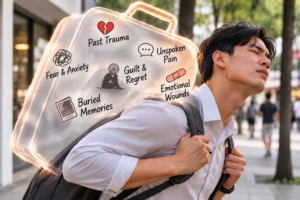
Sometimes, the behaviours we see in people are not simply reflections of their personalities. They may be reflections of what they have experienced, what they have endured and what they have learned to do in order to survive.
From a counsellor’s perspective, one of the most important things to understand about trauma is that it does not always present itself through visible emotional distress. Sometimes, trauma appears as excessive independence, emotional withdrawal, people-pleasing, perfectionism, difficulty trusting others or an overwhelming need to remain in control.
For some individuals, survival gradually becomes a way of life. What initially develops as a response to emotional pain may eventually become a familiar pattern of thinking, feeling and behaving.
They may no longer recognise these behaviours as protective mechanisms. Instead, they begin to believe that this is simply who they are.
1. Understanding the Psychology of Trauma Responses
Trauma is not only about what happened to a person; it is also about how the individual experiences, processes and responds to what happened.
When someone experiences prolonged emotional distress, abuse, neglect, rejection or an environment where they constantly feel unsafe, their nervous system may adapt to remain alert to potential threats.
These adaptations can become deeply ingrained.
Some individuals become extremely sensitive to changes in people’s moods. Others constantly anticipate conflict, avoid confrontation or struggle to express their needs.
From a counselling perspective, these behaviours may represent attempts to maintain emotional safety rather than intentional personality characteristics.
Understanding this distinction is important because it allows us to approach individuals with compassion instead of immediately labelling or judging their behaviour.
2. The Four Common Trauma Responses
Trauma responses are often described through four patterns: fight, flight, freeze and fawn.
Fight – The Need to Stay in Control
Some individuals respond to emotional threats by becoming defensive, controlling or easily frustrated. They may struggle to tolerate criticism because criticism reminds them of previous experiences of humiliation, rejection or powerlessness.
Their need for control may be an attempt to avoid feeling vulnerable again.
Flight – The Need to Keep Moving
Others respond by staying constantly busy, avoiding difficult conversations or distracting themselves from uncomfortable emotions.
They may find it difficult to sit with silence because silence creates space for painful memories and unresolved feelings to surface.
For them, staying busy becomes a way of escaping emotional discomfort.
Freeze – The Inability to Respond
Some individuals become emotionally numb, disconnected or unable to make decisions when faced with overwhelming situations.
They may struggle to communicate their feelings or find themselves mentally shutting down during conflict.
This is not necessarily a lack of interest or unwillingness to engage. It may be an involuntary response to feeling overwhelmed.
Fawn – The Need to Please Others
Perhaps one of the less recognised responses is fawning.
Individuals who develop this pattern may constantly accommodate others, avoid disagreements, apologise excessively and sacrifice their own needs to maintain relationships.
They may believe that keeping everyone happy is the safest way to prevent rejection, anger or abandonment.
Over time, they can lose touch with their own identity because they have become accustomed to prioritising everyone else’s emotional needs.
3. When Emotional Protection Becomes a Personality
One of the more concerning aspects of unresolved trauma is that protective behaviours can become deeply established.
A person who once learned not to trust others may grow into an adult who struggles with emotional intimacy.
Someone who was repeatedly criticised may become a perfectionist, constantly seeking approval and fearing mistakes.
An individual who experienced unpredictable relationships may become hypervigilant, continuously analysing conversations, facial expressions and changes in behaviour.
Eventually, these individuals may describe themselves as independent, emotionally distant, overly sensitive or simply someone who does not like depending on others.
However, beneath these descriptions, there may be unresolved emotional experiences that deserve attention.
As counsellors, we must remember that understanding the origins of a behaviour does not mean assuming every behaviour is caused by trauma. It means remaining curious about the person’s experiences rather than making premature judgements.
4. The Hidden Cost of Always Being Strong
Many individuals who have experienced trauma develop a strong sense of independence.
They become accustomed to handling everything themselves. They rarely ask for help, struggle to express vulnerability and may feel uncomfortable receiving emotional support.
To the outside world, they appear strong, capable and resilient.
But internally, they may be exhausted.
They may desperately want someone to understand them, yet struggle to allow anyone close enough to see their vulnerability.
They may want emotional support but feel guilty for needing it.
They may want to be loved but find it difficult to trust that someone’s intentions are genuine.
From a counsellor’s perspective, it is important to recognise that strength should not be measured by how much suffering someone can tolerate in silence.
Sometimes, real strength begins when an individual allows themselves to acknowledge that they are hurting and that they do not have to manage everything alone.
5. Why Healing Can Feel Uncomfortable
An important aspect of trauma recovery is understanding that familiar patterns can feel safer than healthy changes.
For someone who has spent years anticipating conflict, a peaceful relationship may initially feel unfamiliar.
For someone who has learned to please everyone, setting boundaries may create overwhelming guilt.
For someone who has always relied on emotional independence, accepting support may feel frightening.
This is because healing often requires individuals to move beyond the coping strategies that once helped them survive.
The challenge is not simply to stop these behaviours. It is to understand why they developed, recognise when they are no longer helpful and gradually develop healthier ways of responding.
Healing does not happen through pressure, shame or unrealistic expectations. It requires patience, emotional safety and consistent support.
6. A Counsellor’s Role in the Healing Process
A counsellor’s role is not to tell individuals who they are or to define them by their traumatic experiences.
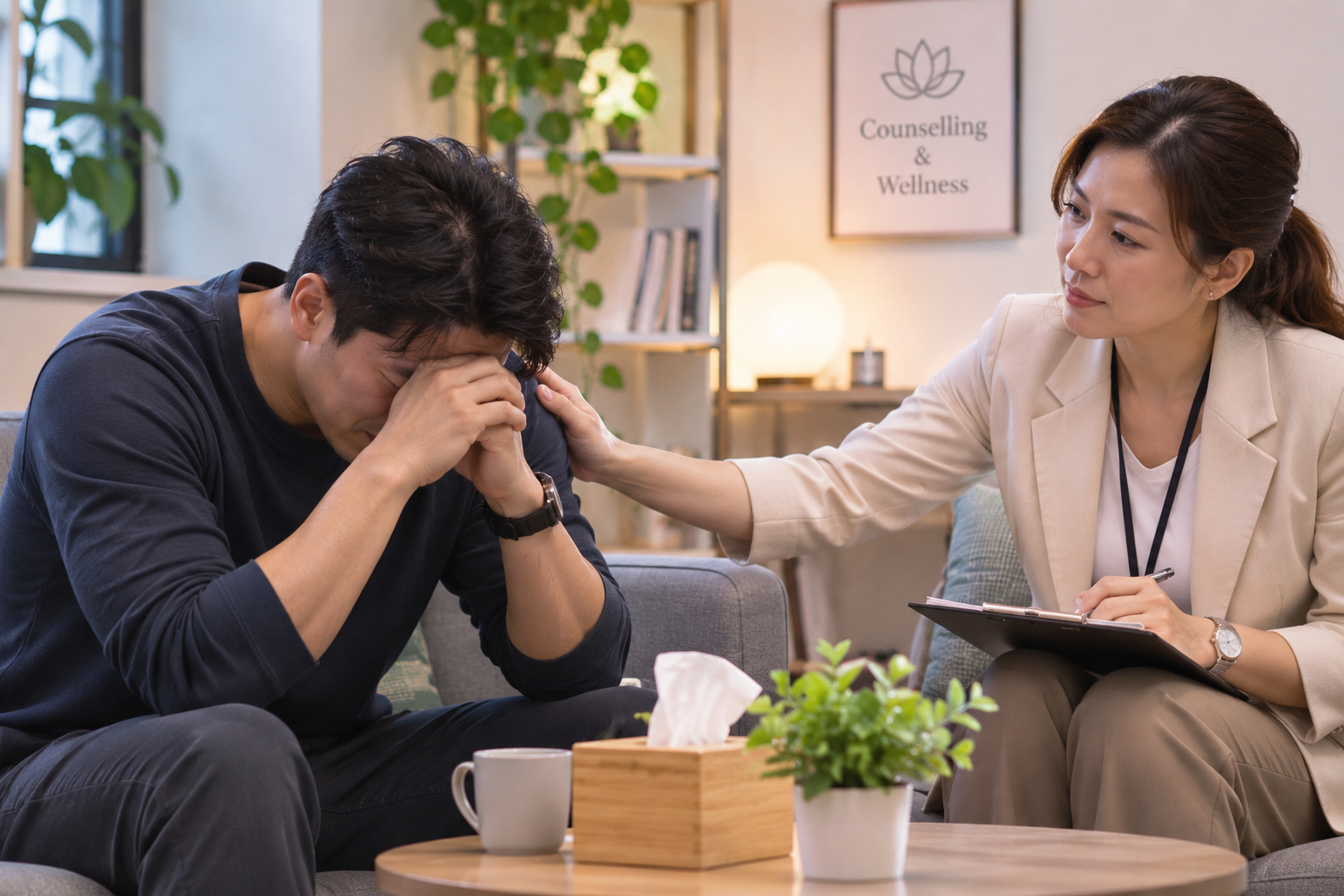
Rather, counselling provides a safe and confidential environment where individuals can explore their emotions, understand their behavioural patterns and reconnect with parts of themselves that may have been suppressed.
Through therapeutic conversations, appropriate interventions and a supportive therapeutic relationship, individuals can begin to:
- Recognise their emotional triggers.
- Understand their trauma responses.
- Develop healthier emotional regulation skills.
- Establish boundaries without excessive guilt.
- Rebuild trust at a comfortable pace.
- Develop a healthier relationship with themselves.
- Distinguish past threats from present situations.
Most importantly, counselling allows individuals to understand that their experiences may have influenced their development, but those experiences do not have to determine their entire future.
7. You Are More Than What You Had to Become to Survive
Perhaps one of the most important messages in trauma-informed counselling is that people should not be defined entirely by their survival strategies.
You are not simply the person who avoids conflict.
You are not simply the person who struggles to trust.
You are not simply the person who needs constant reassurance.
You are not simply the person who has learned to hide your emotions.
These may be patterns you developed during difficult experiences, but they do not represent the entirety of your identity.
There is a difference between who you are and who you learned to become in order to feel safe.
Recognising that difference can be an important beginning towards healing.
Conclusion: From Surviving to Living
As counsellors, we must learn to look beyond behaviours and become more attentive to the emotional experiences that may exist beneath them.
Sometimes, the person who appears difficult to understand is someone who has spent years trying to protect themselves.
Sometimes, the person who pushes others away is also someone who longs for meaningful connection.
And sometimes, the person who appears exceptionally strong is someone who has never felt safe enough to fall apart.
Trauma-informed counselling reminds us that healing is not about blaming the past or remaining trapped in painful experiences. It is about understanding how those experiences have shaped us and developing the emotional freedom to respond differently.
You may have learned to survive by becoming guarded, silent, independent or constantly accommodating. But survival does not have to become your permanent identity.
You deserve more than a life built around avoiding pain. You deserve a life where you can experience safety, connection, trust and genuine emotional freedom.
*Because the goal of healing is not simply to become better at surviving. It is to finally learn how to live.
Take The First Step
The Healing Cove offers individual, private parent and family with ADHD children counselling in Singapore and online. If work stress has begun to take over your life, a 50- or 75-minute session can be a starting point to pause, reflect and find a more sustainable way forward.
If you feel at immediate risk of harming yourself or someone else, seek urgent help. In Singapore, call 995 for emergency medical assistance, contact national mindline 1771, or call Samaritans of Singapore at 1767.