
*A Counsellor’s Perspective on Love, Emotional Dependency and Self-Awareness
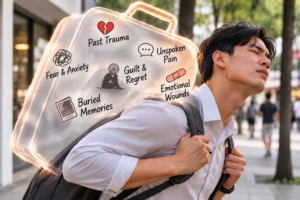
From a counselling perspective, one of the most important aspects of emotional well-being is understanding the difference between genuinely loving someone and being emotionally attached to them. Many people struggle to let go of someone because they believe that the intensity of their emotions represents the depth of their love. They continue waiting, hoping, remembering and holding on, even when the other person no longer shares the same feelings. However, strong emotions do not always indicate healthy love. Sometimes, what we perceive as love may be influenced by loneliness, emotional dependency, fear of abandonment, insecurity or an unmet need for affection and acceptance. Understanding these emotional patterns is the first step towards developing healthier relationships.
When Love Becomes Emotional Dependency
Love becomes unhealthy when our emotional stability depends entirely on another person’s attention, affection and reassurance. For example, some individuals may feel anxious when their messages go unanswered, become distressed when their partner needs personal space, or constantly worry about being replaced or abandoned. Their mood and self-worth may begin to depend on how another person treats them. From a counselling perspective, these behaviours may reflect emotional insecurity or anxious attachment patterns. It is important to recognise that wanting affection and reassurance is normal, but depending entirely on someone else to feel emotionally secure can gradually affect our independence and psychological well-being.
The Fear of Losing Someone Can Make Us Forget Ourselves
Sometimes, people become so afraid of losing someone that they begin compromising their own happiness, dignity and personal boundaries. They tolerate repeated disappointment, ignore their emotional needs and make excuses for behaviour that causes them pain. They may believe that if they become more understanding, more patient or more accommodating, the other person will eventually appreciate their efforts. However, a healthy relationship should not require one person to continuously sacrifice themselves just to maintain the connection. A counsellor would encourage individuals to reflect on whether they are staying because the relationship genuinely fulfils their emotional needs or because they are afraid of facing life without that person.
Stop Mistaking Emotional Pain for Genuine Love
There is a common misconception that the more someone suffers in a relationship, the deeper their love must be. People sometimes associate sleepless nights, constant overthinking, jealousy, anxiety and emotional exhaustion with being deeply in love. However, suffering is not proof of love. These experiences may instead indicate emotional distress, unmet expectations or an unhealthy relationship dynamic. Genuine love does not mean that a relationship will never involve disagreements or disappointment, but it should provide opportunities for mutual understanding, emotional safety, respect and personal growth. From a counselling perspective, individuals should learn to distinguish between the pain of loving someone and the emotional distress caused by an unhealthy attachment.
Loving Someone Does Not Mean You Have the Right to Possess Them
Another important distinction between love and attachment is the ability to respect another person’s independence. Genuine love allows individuals to maintain their personal identities, friendships, interests and freedom of choice. Unhealthy attachment, however, can sometimes develop into possessiveness, excessive jealousy or controlling behaviour. An individual may feel threatened when the person they love spends time with others or makes decisions independently. From a counselling perspective, it is important to understand that love should not be used to justify controlling another person’s life. Caring about someone means respecting their boundaries, choices and individuality, even when those choices are different from what we desire.
Accepting That Not Everyone Will Return Our Feelings
One of the most difficult emotional experiences is loving someone who does not feel the same way. Some individuals spend months or even years hoping that the other person will eventually recognise their feelings. They become emotionally invested in possibilities rather than accepting the reality of the situation. From a counselling perspective, acceptance is an essential part of emotional healing. We must understand that affection cannot be forced, commitment cannot be demanded, and another person’s feelings cannot be controlled. Rejection may hurt, but it does not determine our personal value. Someone choosing not to love us does not mean we are unworthy of being loved. It simply means that our feelings are not reciprocated.
Learning to Let Go Without Becoming Bitter
Letting go does not necessarily mean that our feelings disappear overnight. Sometimes, we can still miss someone, remember the beautiful moments and wish things had turned out differently. However, emotional maturity involves recognising when holding on is causing more harm than healing. A counsellor would encourage individuals to process their emotions rather than suppress them, acknowledge their disappointment, rebuild their confidence and gradually redirect their attention towards their own lives. We do not have to hate someone to walk away, and we do not have to erase every memory to move forward. Letting go can simply mean accepting that a person may no longer have a place in our future.
Rebuilding Self-Worth and Emotional Independence
One of the most important steps in recovering from unhealthy emotional attachment is rebuilding our relationship with ourselves. Individuals should learn to reconnect with their personal interests, maintain meaningful friendships, establish healthy boundaries and recognise their own emotional needs. Instead of constantly seeking validation from another person, they can gradually develop a stronger sense of self-worth and emotional independence. From a counselling perspective, this process is not about becoming emotionally distant or refusing to love again. It is about learning to establish relationships without sacrificing personal identity, dignity and psychological well-being. Healthy love should complement our lives rather than become the only source of our happiness.
A Counsellor’s Final Reflection: Love Without Losing Yourself
Perhaps one of the most important questions we should ask ourselves is whether we genuinely love someone or whether we are emotionally attached to the feeling of being wanted, needed, accepted and loved by that person. There is a difference between wanting someone in our lives and believing that we cannot be happy without them. Emotional attachment is a natural part of human relationships, but it becomes concerning when it begins to affect our self-worth, personal boundaries and ability to function independently. We must learn that loving someone does not mean begging for attention, competing for affection or constantly questioning our value. We can love someone sincerely without possessing them, miss someone deeply without returning to an unhealthy situation, and accept rejection without allowing it to define who we are.
Ultimately, the purpose of emotional healing is not to teach people how to stop loving. It is to help them understand how to love in a healthier and more emotionally balanced way. We should never have to abandon ourselves just to keep another person in our lives. Sometimes, the greatest expression of self-love is recognising that although we cannot control who chooses us, we can always choose to respect, protect and value ourselves.
*“Love someone with sincerity, but never lose yourself trying to become someone they will choose. Healthy love should give you room to grow, not make you disappear from your own life.”
Take The First Step
The Healing Cove offers individual, private parent and family with ADHD children counselling in Singapore and online. If work stress has begun to take over your life, a 50- or 75-minute session can be a starting point to pause, reflect and find a more sustainable way forward.
If you feel at immediate risk of harming yourself or someone else, seek urgent help. In Singapore, call 995 for emergency medical assistance, contact national mindline 1771, or call Samaritans of Singapore at 1767.